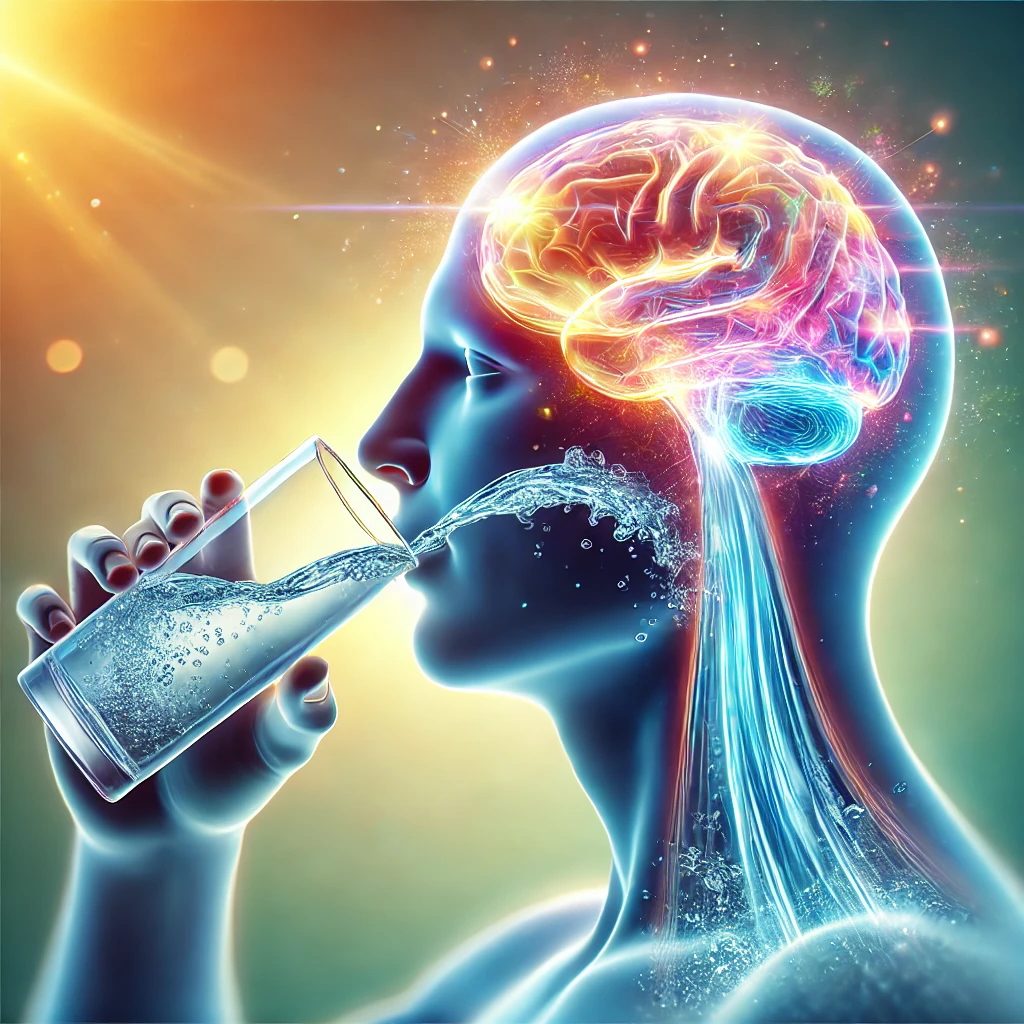
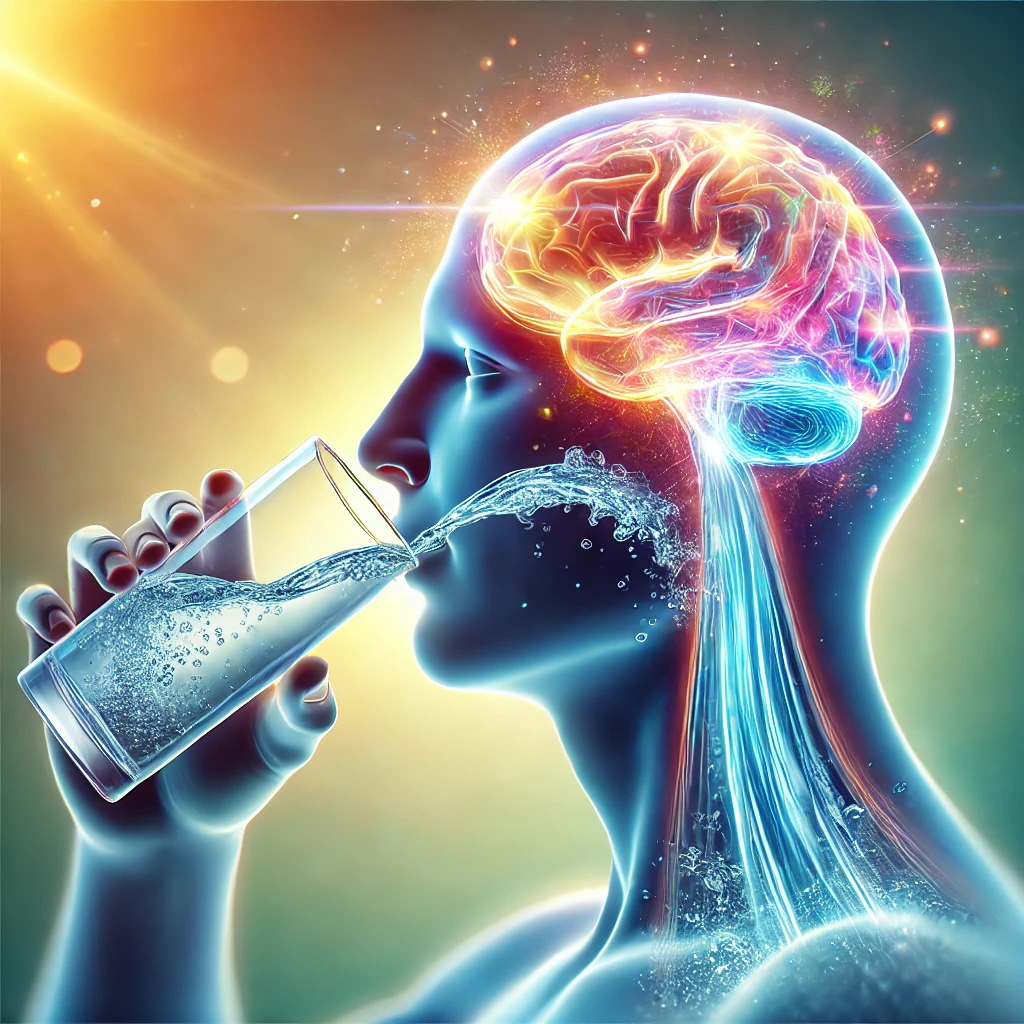
Clear Thinking Starts with Water: Supporting Focus and Mental Performance
Mental clarity and focus are influenced by a range of lifestyle factors, including sleep, nutrition, stress management, and hydration. While hydration is often associated with physical health, it also contributes to the normal functioning of the brain.
The brain depends on adequate circulation and fluid balance to operate efficiently. Even mild dehydration may influence how alert or attentive a person feels during the day. Maintaining consistent fluid intake helps support normal cognitive processes such as concentration, short-term memory, and task performance.
Daily routines—such as long meetings, screen time, or studying—can make it easy to overlook water consumption. However, subtle signs like dry mouth, tiredness, or reduced concentration may sometimes be related to low fluid intake. Drinking water regularly throughout the day can help maintain comfort and support steady mental engagement.
Hydration may also contribute to mood balance. When physical needs are met—including adequate sleep, balanced meals, and sufficient fluids—people are more likely to feel stable and productive. Although hydration alone does not determine emotional well-being, it is one supportive factor within a broader healthy lifestyle.
Practical strategies for maintaining hydration during mentally demanding tasks include keeping water within reach, setting gentle reminders, or pairing water breaks with transitions between activities. Herbal teas and water-rich foods such as fruits and vegetables can also contribute to overall fluid intake.
By viewing hydration as part of a comprehensive wellness approach, individuals can better support both body and mind. Small, consistent actions—like drinking water at regular intervals—can contribute to clearer thinking and sustained daily focus.
Category: Building Sustainable Hydration Habits
Creating a Daily Water Routine That Fits Your Lifestyle
Establishing consistent hydration habits is less about strict rules and more about developing routines that align with everyday life. Sustainable wellness practices are those that feel manageable, adaptable, and supportive over time.
One of the first steps in building a hydration routine is understanding personal needs. Fluid requirements vary depending on factors such as climate, physical activity, and diet. Rather than focusing on rigid targets, many people find success by paying attention to thirst cues and observing general indicators of adequate hydration, such as light-colored urine and steady energy levels.
Incorporating water into existing habits can make consistency easier. For example, drinking a glass of water upon waking, with meals, or before leaving the house can gradually become automatic behaviors. Carrying a reusable bottle during the day provides a visual reminder and increases accessibility.
Variety can also make hydration more appealing. Infusing water with natural flavors like citrus slices, cucumber, or mint may encourage regular intake without adding excess sugar. Consuming water-rich foods—such as melons, berries, leafy greens, and soups—adds another supportive layer to daily fluid consumption.
It is equally important to balance hydration with overall nutrition and lifestyle choices. Excessive fluid intake is generally unnecessary for most individuals, and moderation remains key. Listening to the body and adjusting intake based on activity level and environmental conditions promotes a practical, balanced approach.
Building sustainable hydration habits is ultimately about consistency rather than perfection. By integrating small, realistic changes into daily routines, individuals can support overall well-being in a way that feels natural and long-lasting.
